
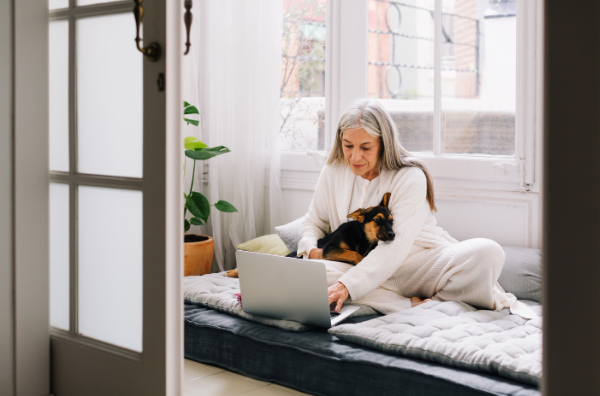
From Doorway To Dog Bowl: Building A Home Your Dog Can Thrive In
Creating a dog-friendly home goes beyond adding a bed in the corner or placing a bowl on the floor. A truly supportive space considers safety, comfort, stimulation, and daily routines. Thoughtful adjustments can help dogs feel secure while also protecting your home from unnecessary wear. Whether welcoming a new puppy or adapting for an older companion, a dog-friendly home supports healthier behavior and stronger bonds.
Safe Floors and Clear Pathways
Flooring plays a major role in how dogs move through a home. Slick surfaces like polished tile or hardwood can cause slips, especially for senior dogs or breeds prone to joint strain. Area rugs with non-slip backing provide traction and reduce impact on joints. Clear pathways matter as well. Keep walkways free of loose cords, small objects, and unstable furniture. Dogs often explore with their mouths or tails, and clutter increases the risk of injury or damage. Simple organization makes shared spaces safer for everyone.
Comfortable Rest and Quiet Zones
Dogs benefit from having designated places to rest. A comfortable bed placed away from high traffic areas helps them relax and recover. Quiet zones are especially important in busy households where noise and movement can cause stress. Temperature control also affects comfort. Avoid placing beds near drafty doors or heat sources. Consistent comfort supports better sleep, which influences mood and behavior.
Smart Storage for Food and Supplies
Accessible storage helps maintain order while keeping dogs safe. Food should be stored in sealed containers to preserve freshness and prevent overeating. Medications, cleaning products, and certain foods should remain out of reach, as many common items can be harmful to dogs. Toy storage deserves attention too. Rotating toys rather than leaving all of them out keeps dogs engaged and reduces clutter. This approach also prevents boredom without overwhelming the space.
Outdoor Access and Secure Boundaries
Outdoor space adds valuable enrichment, but safety must come first. Secure fencing prevents escapes and limits contact with wildlife or traffic. Working with a fence contractor can help ensure the yard layout fits your dog’s size, energy level, and jumping ability. Shade, water access, and safe surfaces matter outdoors just as much as indoors. Avoid plants that may be toxic, and check that gates latch securely every time.
Enrichment Through Environment
Mental stimulation matters as much as physical activity. Window views, puzzle toys, and scent-based games help dogs stay engaged indoors. Rotating enrichment options keeps curiosity alive without adding chaos. Sound levels also influence comfort. Loud televisions or constant background noise can heighten anxiety. Calm environments support focus and relaxation.
Cleaning With Dogs in Mind
Choose cleaning products carefully. Many traditional cleaners contain chemicals that irritate paws or airways. Pet-safe alternatives protect both dogs and humans. Washable slipcovers, durable fabrics, and easy-to-clean surfaces make maintenance simpler. These choices reduce frustration and allow more time for connection.
A dog-friendly home balances structure with flexibility. When a home supports a dog’s physical and emotional needs, daily life becomes smoother for everyone under the same roof. Look over the infographic below for more information.
